
一、学术写作中的DeepSeek提示词详解
以下20个提示词按学术写作流程(研究、写作、编辑、投稿)分类,涵盖研一学生发表论文的常见需求:
1. 文献综述生成
- 定义:生成针对特定主题的文献综述,总结相关研究,突出研究空白。
- 适用场景:研一学生需快速了解领域现状,为论文引言或背景提供素材。
- 示例提示:
“Summarize 5 recent studies (2020-2025) on [deep learning in SLAM] from [IEEE Xplore, arXiv]. Highlight key methods, findings, and research gaps in 300 words. Include APA citations.” - 使用建议:
- 指定时间范围和数据库(如IEEE Xplore、Scopus),确保文献新颖。
- 要求具体输出格式(如APA、IEEE),便于直接插入论文。
- 检查DeepSeek生成内容的准确性,补充原始文献核对。
2. 研究问题定义
- 定义:帮助明确论文的研究问题和意义。
- 适用场景:研一学生在选题时需聚焦问题,清晰表达创新点。
- 示例提示:
“Define a research problem in [computer vision for autonomous driving]. Explain its significance and potential impact in 200 words, targeting a [Q3 SCI journal] audience.” - 使用建议:
- 提供领域和目标期刊,DeepSeek会调整学术语气。
- 要求简洁输出(200-300字),适合论文引言。
3. 研究方法设计
- 定义:生成研究方法的框架或步骤,适合实验设计。
- 适用场景:研一学生需设计算法或实验流程。
- 示例提示:
“Design a methodology for [image segmentation using CNN]. Include dataset selection, model architecture, and evaluation metrics in a step-by-step format for an [IEEE conference] paper.” - 使用建议:
- 指定方法类型(如定量、定性)和目标会议/期刊。
- 要求DeepSeek提供伪代码或流程图描述,增强技术细节。
4. 数据集建议
- 定义:推荐适合研究主题的公开数据集。
- 适用场景:研一学生缺乏实验数据资源。
- 示例提示:
“Suggest 3 publicly available datasets for [natural language processing in sentiment analysis]. Provide dataset size, source, and applicability in 150 words.” - 使用建议:
- 指定领域和任务,DeepSeek会推荐权威数据集(如ImageNet、CIFAR-10)。
- 核查数据集链接(如Kaggle、UCI),确保可访问。
5. 实验对比分析
- 定义:生成实验对比的框架,比较不同方法或模型。
- 适用场景:研一学生需设计实验部分,突出创新点。
- 示例提示:
“Generate a comparison table for [3 SOTA methods in object detection] vs. my proposed method. Include metrics (e.g., mAP, FPS) and dataset (e.g., COCO) for an [EI conference] paper.” - 使用建议:
- 提供SOTA方法名称(如YOLOv8、Faster R-CNN),明确指标。
- 要求表格格式,便于插入论文实验部分。
6. 论文结构大纲
- 定义:生成论文的结构化大纲,符合学术规范。
- 适用场景:研一学生初次撰写论文,需清晰框架。
- 示例提示:
“Create a detailed outline for a 5000-word [SCI journal] paper on [machine learning in medical imaging]. Include sections for abstract, introduction, methodology, results, and discussion.” - 使用建议:
- 指定字数和期刊类型(如Q3/Q4 SCI),DeepSeek会调整深度。
- 参考目标期刊模板(如IEEEtran、Elsevier)。
7. 摘要生成
- 定义:撰写论文摘要,简洁概括研究内容和贡献。
- 适用场景:研一学生需提交会议或期刊摘要。
- 示例提示:
“Write a 150-word abstract for a paper on [deep reinforcement learning in robotics], highlighting problem, method, results, and contributions for [IEEE ICRA].” - 使用建议:
- 限定字数(150-250字),符合会议/期刊要求。
- 要求DeepSeek突出创新点和量化结果(如精度提升5%)。
8. 引言撰写
- 定义:生成引言,介绍背景、问题和研究意义。
- 适用场景:研一学生需快速起草论文引言。
- 示例提示:
“Write a 300-word introduction for a paper on [edge computing in IoT]. Include background, research gap, and objectives for a [Q3 SCI journal].” - 使用建议:
- 提供关键词(如“edge computing”),确保术语准确。
- 检查DeepSeek生成的内容是否与研究主题一致。
9. 学术英语润色
- 定义:优化论文的语言表达,符合学术标准。
- 适用场景:研一学生学术英语能力有限,需提升语言质量。
- 示例提示:
“Polish this paragraph for a [Q3 SCI journal]: [insert draft text]. Improve clarity, grammar, and academic tone, avoiding jargon.” - 使用建议:
- 提供具体段落,DeepSeek会针对性优化。
- 结合Grammarly检查,确保语法无误。
10. 参考文献格式化
- 定义:生成符合指定格式的参考文献。
- 适用场景:研一学生需整理大量文献,符合期刊要求。
- 示例提示:
“Format these 5 references [insert citations] in [IEEE/APA/MLA] style for a [Q3 SCI journal].” - 使用建议:
- 提供文献详情(如作者、标题、年份),DeepSeek会自动格式化。
- 核查格式准确性,使用EndNote验证。
11. 图表描述生成
- 定义:生成实验图表的文字描述,突出关键结果。
- 适用场景:研一学生需撰写结果部分的图表说明。
- 示例提示:
“Describe a bar chart comparing [accuracy of 3 models] on [CIFAR-10 dataset] in 100 words for an [EI conference] paper.” - 使用建议:
- 提供图表数据(如指标、数据集),DeepSeek会生成专业描述。
- 要求简洁,避免冗长术语。
12. 结果分析
- 定义:分析实验结果,解释意义和局限性。
- 适用场景:研一学生需撰写讨论部分,解读数据。
- 示例提示:
“Analyze the results of [model A vs. model B] with [accuracy 85% vs. 80%] on [ImageNet]. Discuss implications and limitations in 200 words for [IEEE Access].” - 使用建议:
- 提供具体数据和目标期刊,DeepSeek会生成逻辑清晰的分析。
- 检查分析是否涵盖局限性,补充领域知识。
13. 创新点提炼
- 定义:明确论文的创新点,突出贡献。
- 适用场景:研一学生需在论文或答辩中清晰表达创新。
- 示例提示:
“Identify 2-3 innovation points for a study on [federated learning in IoT]. Explain each in 100 words for a [Q3 SCI journal].” - 使用建议:
- 提供研究背景,DeepSeek会提炼具体创新。
- 确保创新点量化(如“提升效率10%”)。
14. 投稿信撰写
- 定义:生成期刊或会议的投稿信(Cover Letter)。
- 适用场景:研一学生需提交论文至EI/SCI期刊。
- 示例提示:
“Write a cover letter for submitting a paper on [deep learning in medical diagnosis] to [IEEE Access]. Highlight novelty and journal fit in 200 words.” - 使用建议:
- 提供期刊名称和论文亮点,DeepSeek会定制内容。
- 检查期刊投稿指南,确保信件格式正确。
15. 审稿反馈回应
- 定义:生成对审稿人反馈的回应,逐条说明修改。
- 适用场景:研一学生需应对期刊/会议审稿意见。
- 示例提示:
“Respond to this reviewer comment: [‘Experiment lacks SOTA comparison’]. Explain how I added [YOLOv8 comparison] in 150 words for [IEEE ICRA].” - 使用建议:
- 提供具体反馈和修改内容,DeepSeek会生成礼貌回应。
- 确保回应语气专业,参考《会议投稿被拒了怎么办?》(artifact_id: e14b4001-099b-4082-b371-c7f2e1a54a06)。
16. 查重优化
- 定义:改写文本以降低查重率,保持原意。
- 适用场景:研一学生需确保论文原创性(查重率<15%)。
- 示例提示:
“Paraphrase this paragraph [insert text] to reduce plagiarism risk while maintaining academic tone for a [Q3 SCI journal].” - 使用建议:
- 提供高查重率段落,DeepSeek会重构句子。
- 使用iThenticate核查改写效果。
17. 会议PPT生成
- 定义:生成学术会议PPT的结构和内容建议。
- 适用场景:研一学生需为EI会议准备展示。
- 示例提示:
“Create a 10-slide PPT outline for a presentation on [SLAM in robotics] at [IEEE ICRA]. Include title, background, method, results, and conclusion slides.” - 使用建议:
- 指定会议和页数,DeepSeek会提供简洁结构。
- 参考《如何准备学术会议PPT》(artifact_id: fbcc29e9-8320-432b-b11d-ee361f2911e2)。
18. 关键词提取
- 定义:提取论文或领域的关键词,优化检索。
- 适用场景:研一学生需为论文添加关键词,符合SEO或期刊要求。
- 示例提示:
“Extract 5-7 keywords from this abstract [insert text] for a [Q3 SCI journal] on [machine learning].” - 使用建议:
- 提供摘要或论文片段,DeepSeek会生成高相关关键词。
- 参考目标期刊关键词格式(如IEEE Access)。
19. 研究展望
- 定义:生成论文的未来工作或展望部分。
- 适用场景:研一学生需完善论文结论,提出后续研究。
- 示例提示:
“Write a 150-word future work section for a paper on [edge AI in IoT], suggesting 2-3 directions for a [Q3 SCI journal].” - 使用建议:
- 提供研究主题,DeepSeek会提出合理展望。
- 确保展望与论文内容一致,避免泛泛而谈。
20. 学术术语解释
- 定义:解释复杂术语,适合初学者理解。
- 适用场景:研一学生需快速掌握领域术语。
- 示例提示:
“Explain [backpropagation in neural networks] for a beginner in 100 words, using simple language and an example.” - 使用建议:
- 指定术语和目标水平(如初学者),DeepSeek会简化解释。
- 适合研一初期学习阶段,快速构建基础知识。
二、提示词使用注意事项
- 清晰与结构化:
- 遵循DeepSeek提示工程原则:清晰、结构化、细节化。如“Write a 300-word essay”改为“Write a 300-word essay on [climate change] for [undergraduate students], including 3 examples from [ecology].”
- 使用分段提示(如“Include sections for X, Y, Z”),确保输出逻辑清晰。
- 上下文提供:
- 提供领域、目标期刊/会议、字数和格式要求,DeepSeek会生成更精准内容。
- 示例:指定“IEEE Access”或“IEEE ICRA”,DeepSeek会调整学术语气和格式。
- 查重与原创性:
- 使用DeepSeek的改写功能降低查重率,但需用iThenticate或知网验证(<15%)。
- 确保引用规范,避免学术不端。
- 导师指导结合:
- DeepSeek生成的内容需导师审阅,确保符合实验室研究方向。
- 定期沟通(如每周1次),确认论文质量。
- 避免过度依赖:
- DeepSeek是辅助工具,研一学生需结合自身研究,确保创新性。
- 核查生成内容的准确性,补充实验数据或领域知识。
三、常见问题解答
1. 研一使用DeepSeek能发表EI/SCI吗?
- 可以,DeepSeek可辅助文献综述、方法设计和语言润色,适合投B/C类EI会议(如IEEE ICMLDE)或Q3/Q4 SCI期刊(如IEEE Access)。
- 建议:依托导师项目,补充实验数据。
2. 如何确保DeepSeek生成内容原创?
- 使用查重提示(如提示16),结合iThenticate检查。
- 要求DeepSeek生成带引用的内容,避免抄袭风险。
3. DeepSeek适合研一哪个阶段?
- 研一上学期:用提示20(术语解释)、1(文献综述)学习领域知识。
- 研一下学期:用提示3(方法设计)、4(数据集)准备实验,6-7(大纲、摘要)起草论文。
- 暑假(7-9月):用提示9(润色)、14(投稿信)投稿EI会议。
4. DeepSeek与ChatGPT相比优势?
- 免费开放:DeepSeek为开源工具,适合学生使用。
- 学术优化:支持查重、引用格式化,适合EI/SCI论文需求。
四、总结
研一学生可利用DeepSeek的20个提示词,从文献综述到投稿信全流程优化论文写作。这些提示词涵盖研究设计(提示1-5)、论文撰写(提示6-12)、编辑优化(提示13-16)和投稿准备(提示17-19),以及基础学习(提示20)。通过清晰、结构化、细节化的提示(如指定期刊、字数、格式),DeepSeek可生成高质量学术内容,助力研一学生发表EI会议或Q3/Q4 SCI期刊论文。结合导师指导和查重工具,研一学生可在暑假(7-9月)完成投稿,为学术和职业发展奠定基础。
上一篇
研一如何发表论文:规划、策略与实践
热门头条

2026年科学探索奖获奖名单公布
- 19
- 发布时间:2026.08.24
第十九届前沿计算机理论与工程国际会议(ICACTE 2026)在杭州举行
- 13
- 发布时间:2026.08.24
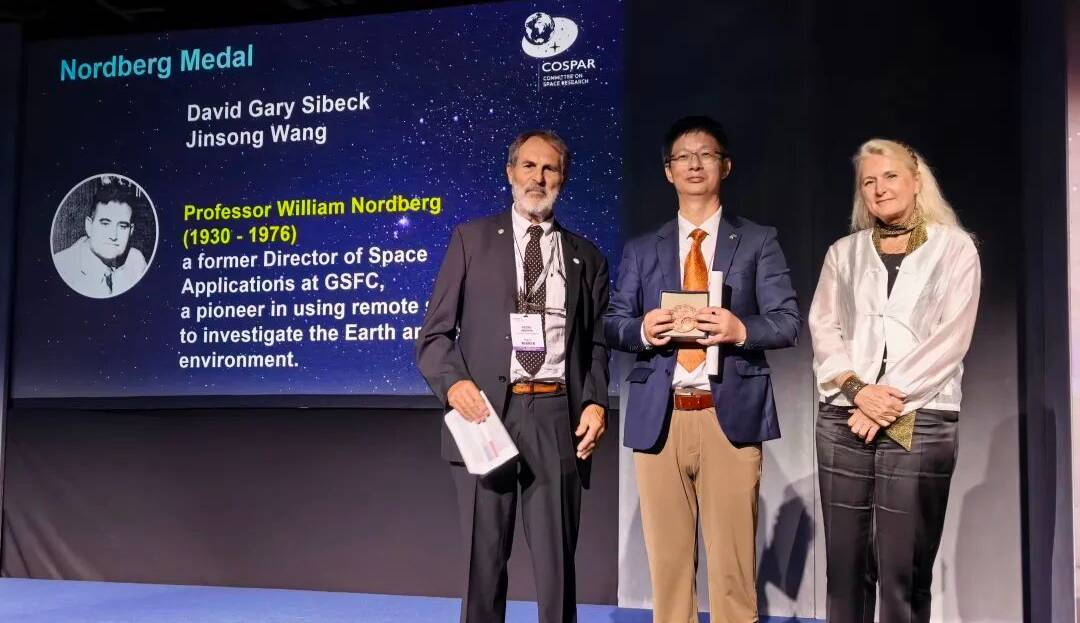
中国首位!新晋院士候选人,获国际大奖
- 174
- 发布时间:2026.08.06
第八届电力与能源技术国际会议(ICPET 2026)在蓉开幕
- 258
- 发布时间:2026.07.30
饶毅、倪忆两位教授发文澄清:四位北大教师为王虹赴法留学撰写推荐信
- 460
- 发布时间:2026.07.29
近期会议

EI Compendex,Scopus
2027年第十一届机器学习与软计算国际会议(ICMLSC 2026)
时间:2027.01.29 - 2027.01.31
地点:日本 东京
截稿时间:2026.09.30

EI Compendex,Scopus
2027年第11届能源经济与能源政策国际会议 (ICEEEP 2027)
时间:2027.04.09 - 2027.04.11
地点:西班牙 波尔图
截稿时间:2026.11.10

EI Compendex,Scopus
2027年第十二届清洁能源研究进展国际会议 (ICACER 2027)
时间:2027.04.09 - 2027.04.11
地点:西班牙 波尔图
截稿时间:2026.11.10